I was asked to work with a team to conduct a usability test for upcoming development on the Hennepin County Law Library website. The HCLL website offers specialized resources for legal experts and interested members of the general public. These resources include courses on specific Continuing Legal Education (CLE) courses, access to external legal and non-legal databases, and an internal catalog of material. Many of these resources are only available to those physically within the law library or those whose employer (law firm) have paid to have off-site access; this increases the importance of the ability of users to find the HCLL hours, address, and contact information on the website.
Project Manager
UX Researcher
UX Designer
Adobe XD
Adobe Illustrator
Figma
3 Weeks
Heuristic Analysis
Persona Development
User Testing
Iterative Design
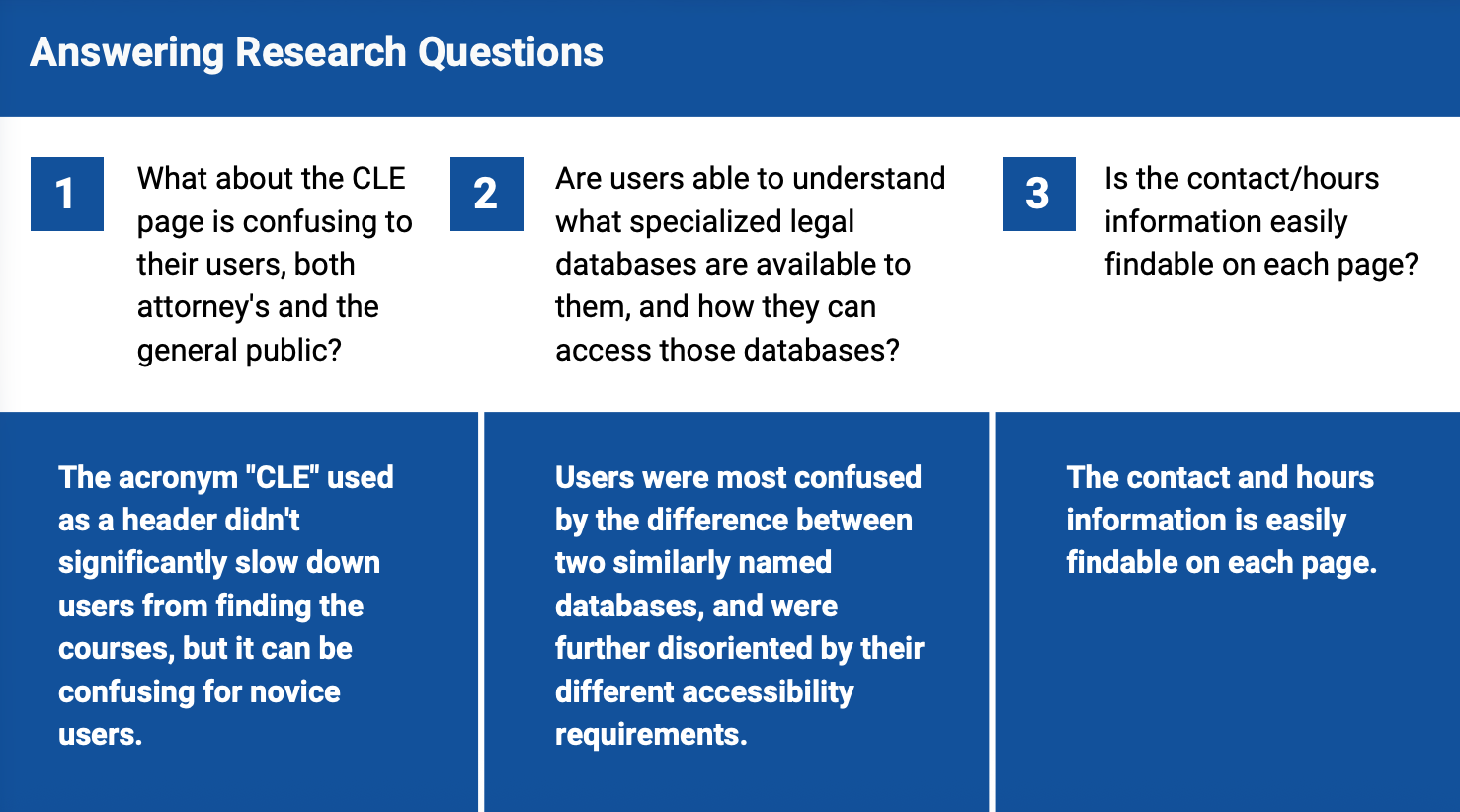
Our usability test focused specifically on the users’ ability to navigate, interpret, and apply information on the specific identified pages — “CLE” page, “Online Research” page, and page locations which include contact/hours information. Our research questions for usability testing included determining:
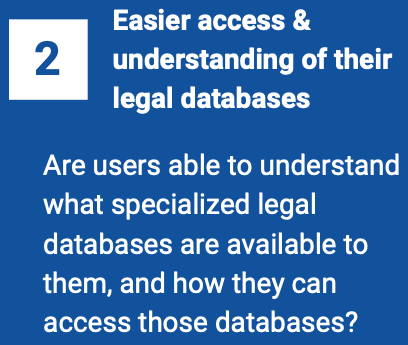
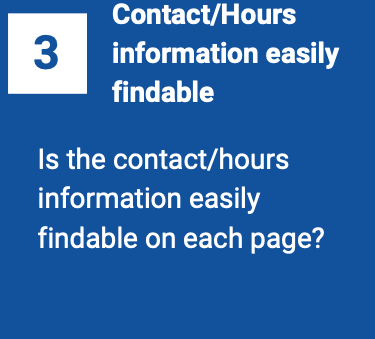
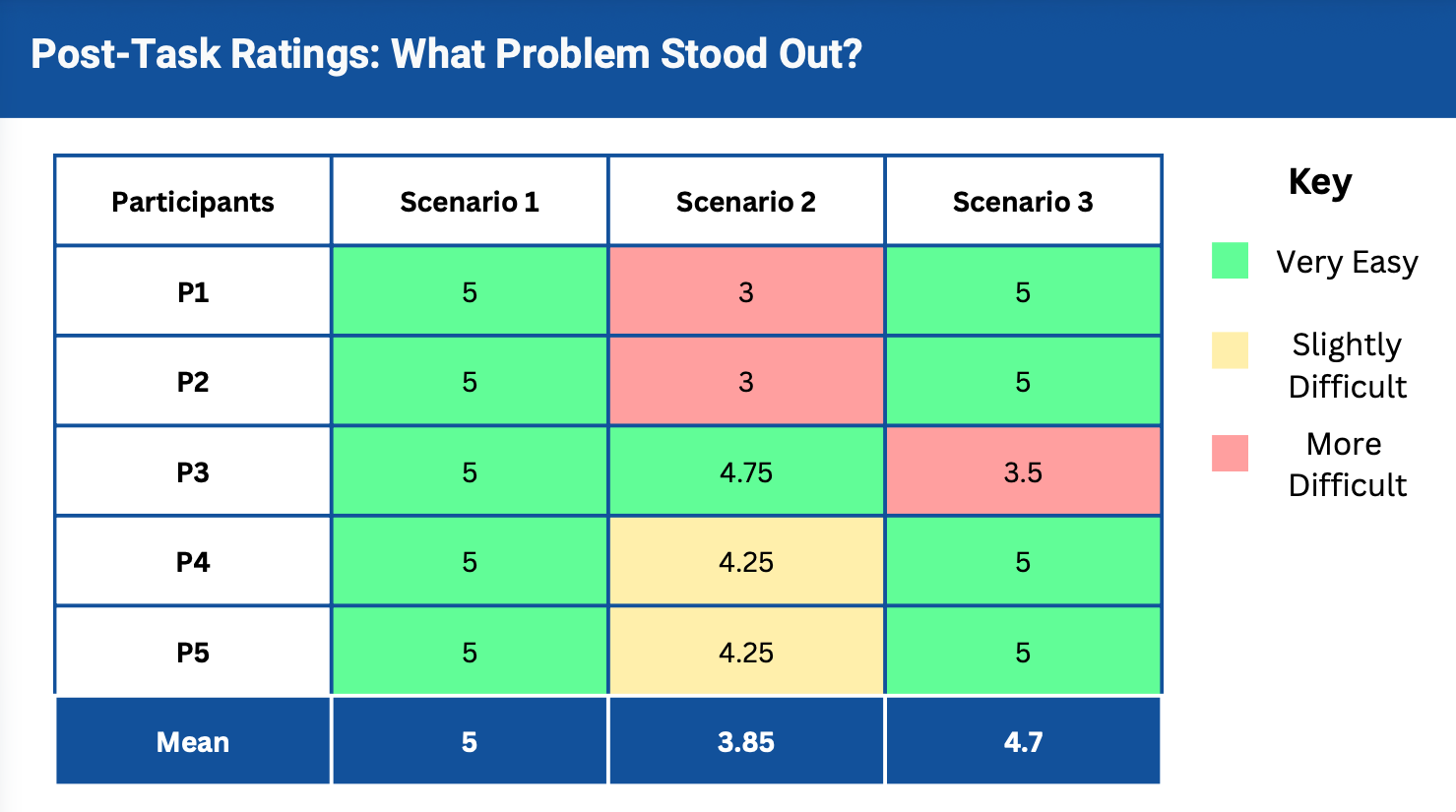
Our specific research question was as follows: How does the presentation of content on the HCLL website impact how users navigate the website, interpret the information, and apply what they’ve learned to seek out further resources? Efficiency was measured by the amount of time it took for the participants of this test to complete the tasks that they are presented with. Critical and noncritical errors were counted, as well as the participants’ satisfaction based on their comments and ratings, which they recorded after each scenario and after they completed the entire test
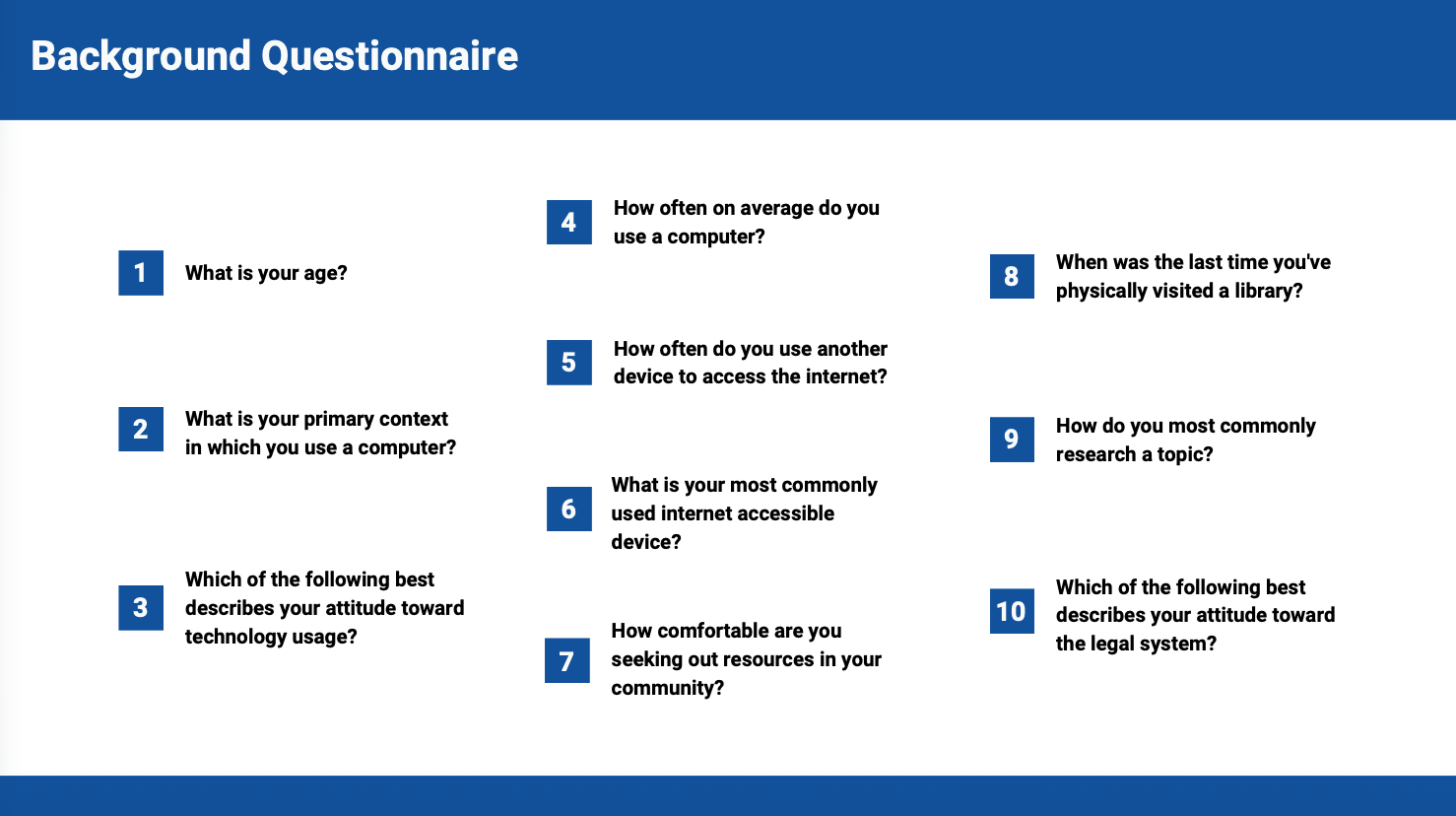
There were four methods of information gathering used during the test. The background questionnaires gathered some basic demographics. Participants supplied information such as gender, age, education level, occupation, and experience with Hennepin County Law Library website use.
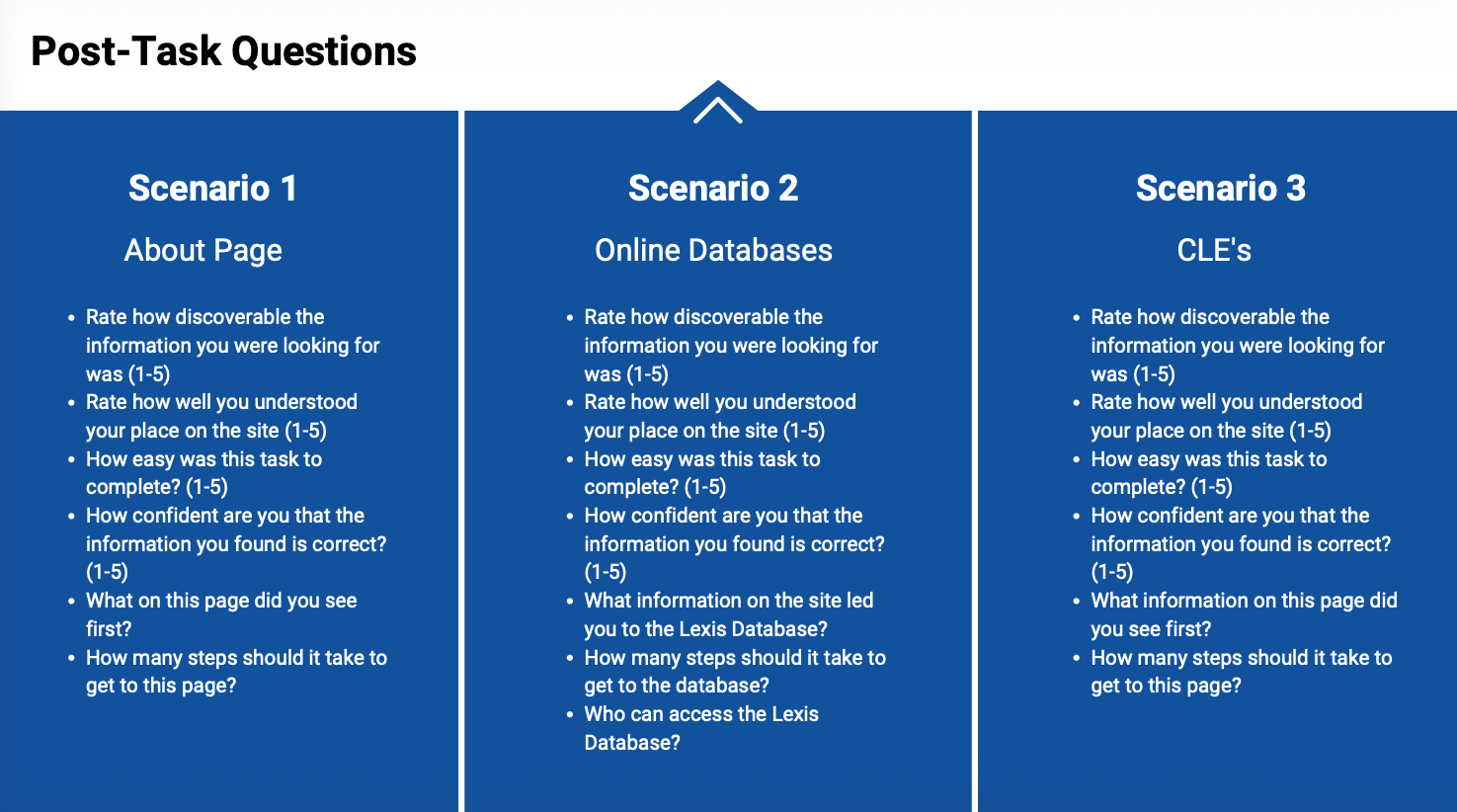
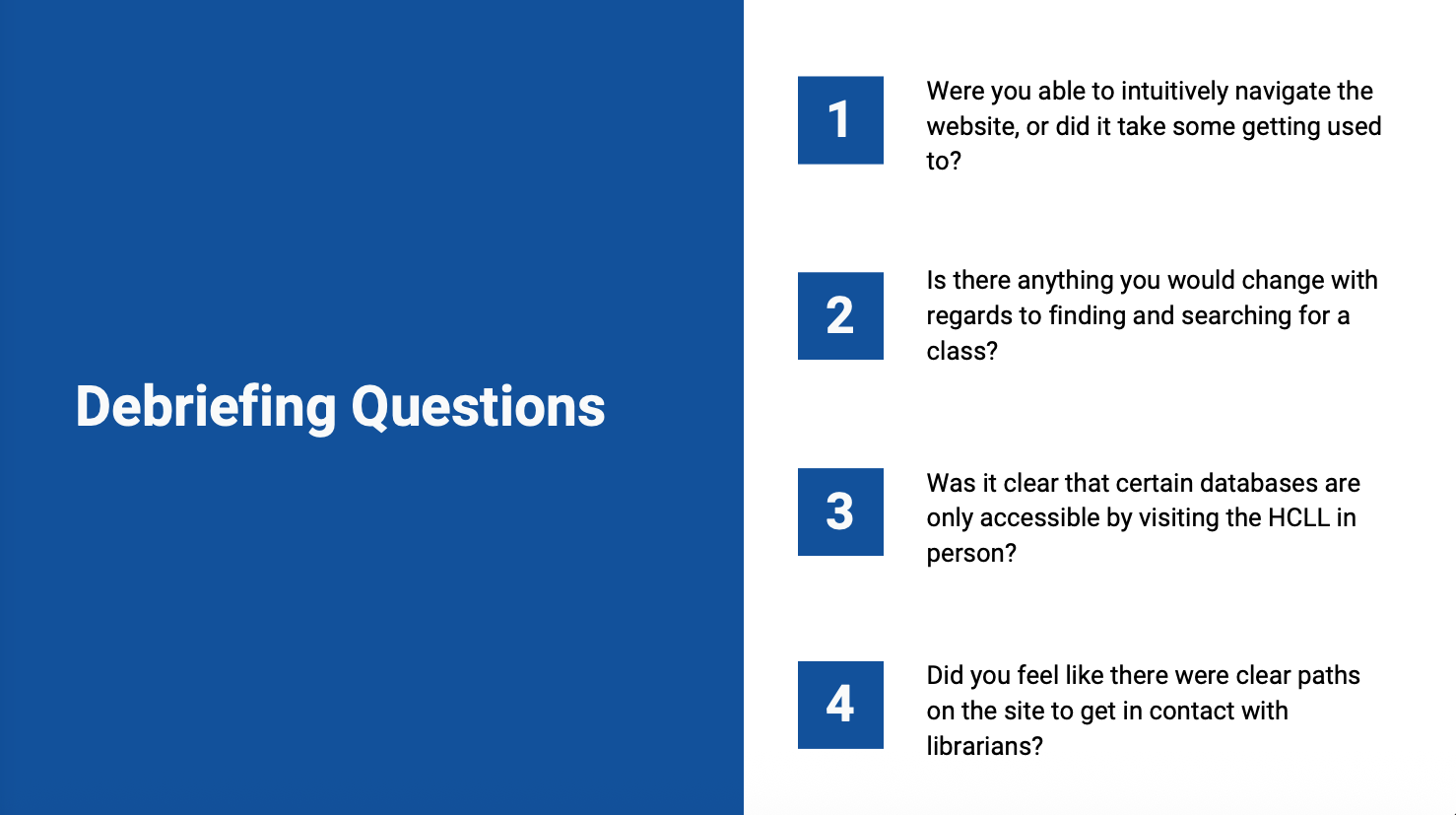
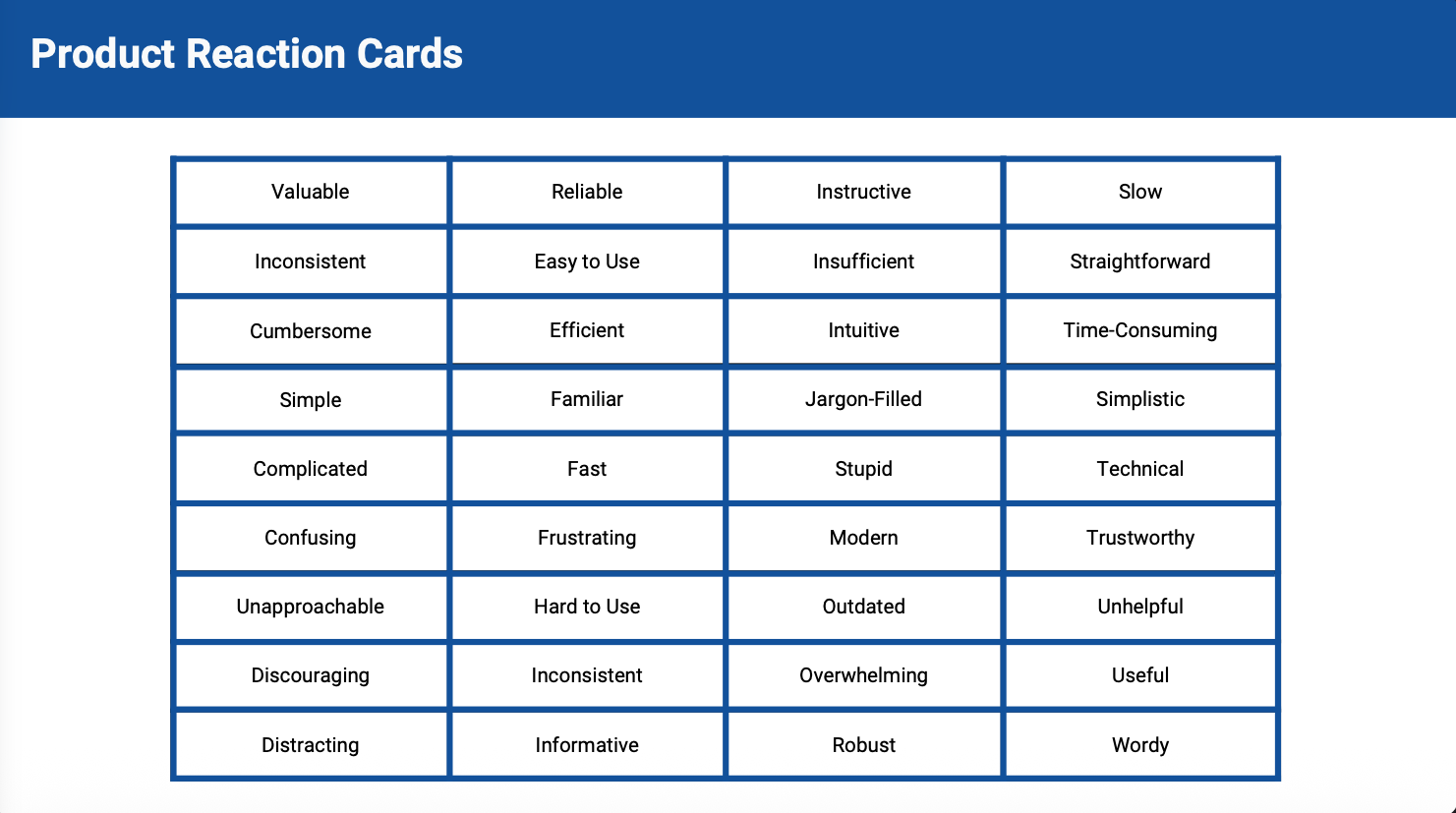
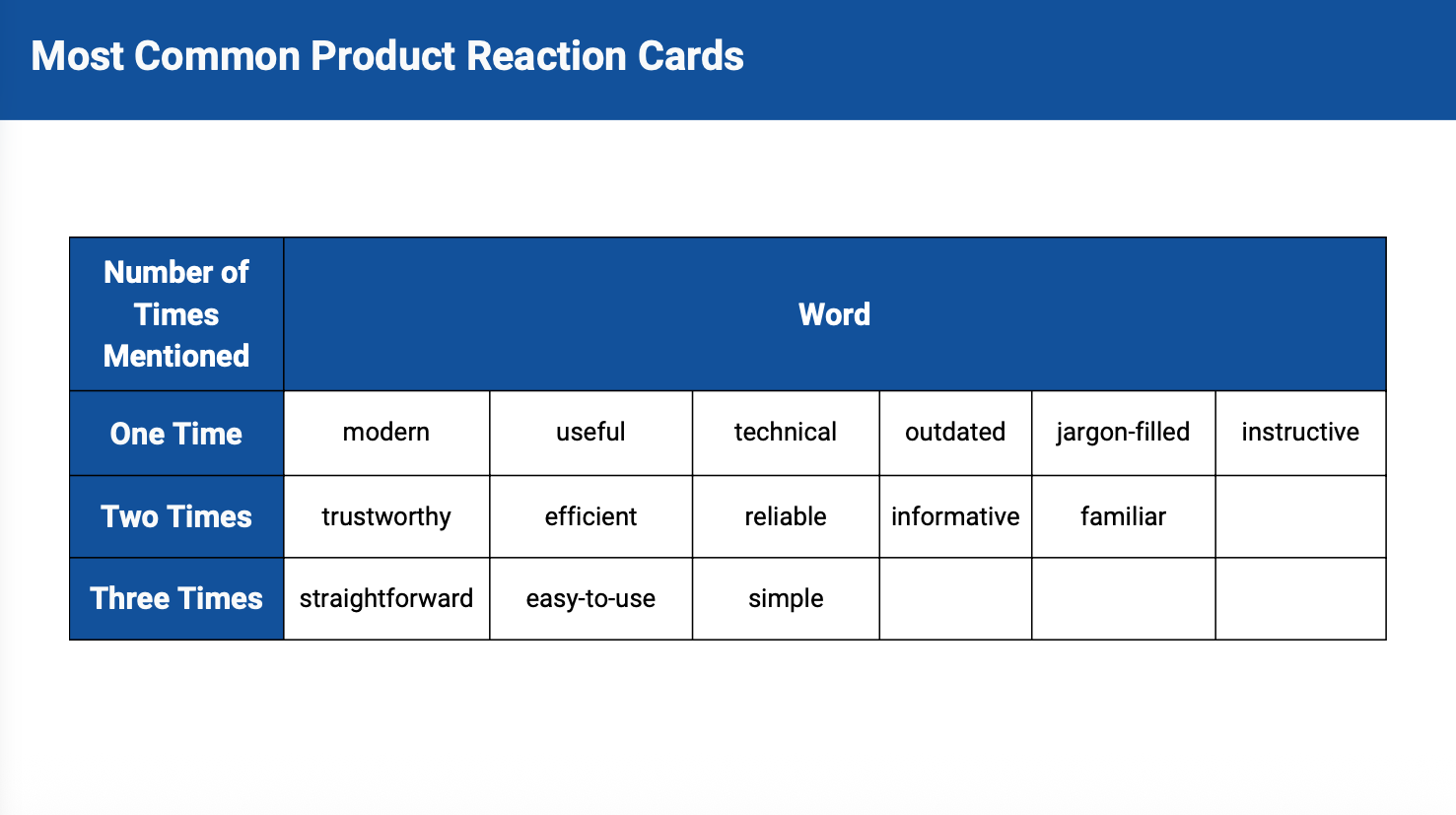
During the test, participants were asked to complete ordinary tasks relevant to what the Hennepin County Law Library audience may search for on the website. After participants completed the scenarios, they were given post-task questions. All of the questions asked them to rate the ease or difficulty of the task. When the test was over, the participants were given a debriefing interview as well as a product reaction card. The debriefing questions asked participants about their impressions of the site. These questions were more in depth than the post-task questions. The product reaction card provided participants with thirty six adjectives and asked them to pick five words that best described their experience with the website.
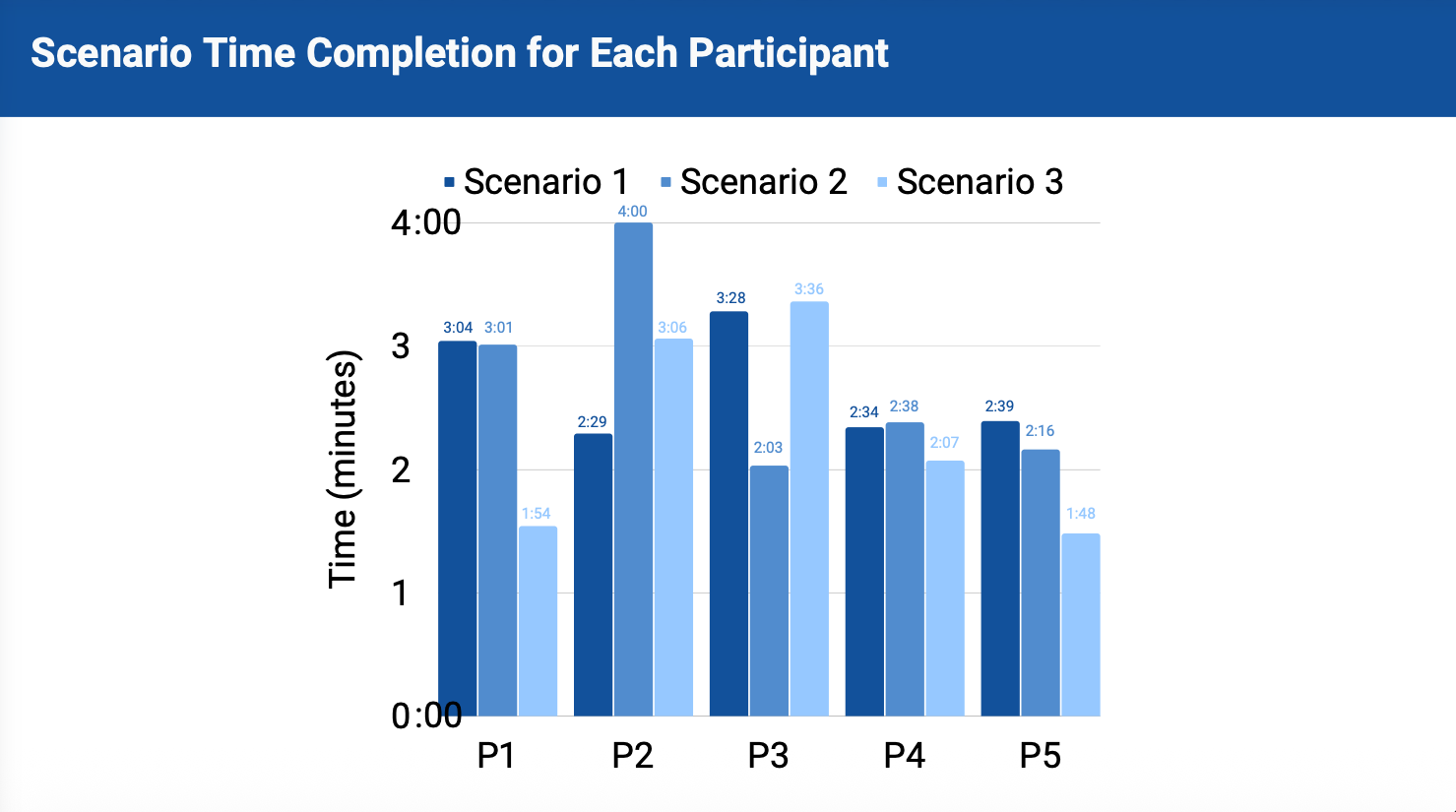
All 5 participants completed scenarios for a 97.3% completion rate. Time-on-task varied between an average of 2:30 minutes (Scenario 3) and 2:50 minutes (Scenario 1); generally, all scenarios were completed in under 4 minutes. Participants generally rated tasks between 2-5 on a five-point scale.
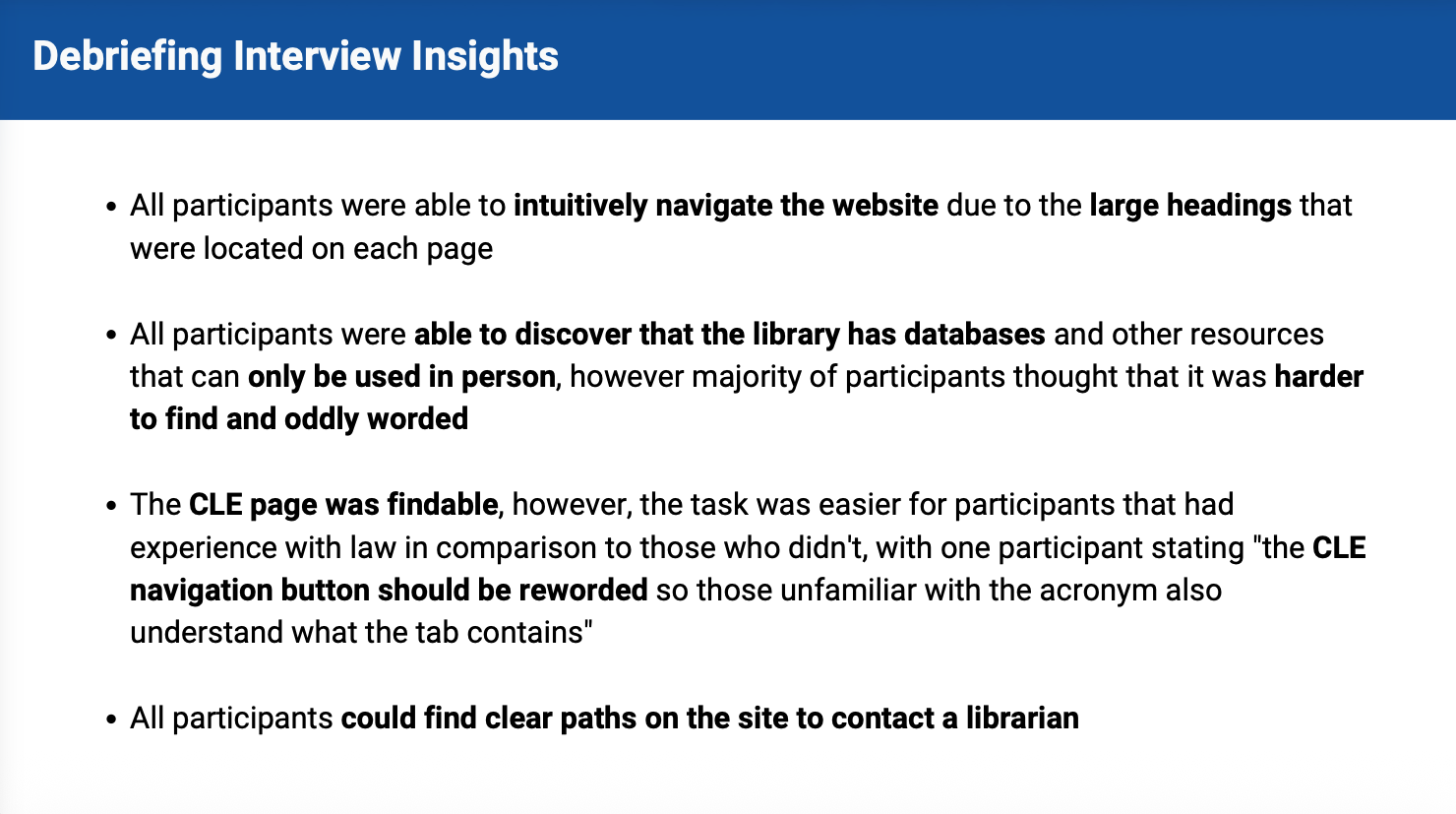
Overall, participants were able to complete tasks without difficulty. However, participants encountered the following issues, which are fully explained in the report:
- Participants consistently tried to use the catalog to find database related information and struggled to distinguish between the two categories of databases.
- Participants were frustrated that they would navigate through multiple pages to find the correct resource, only to discover that they did not have access to it remotely or as a non-subscriber.
- The website was far more intuitive to navigate for experienced users than novice users.
- Our participant who was unaffiliated with the legal system seemed confused with the CLE section of the website.
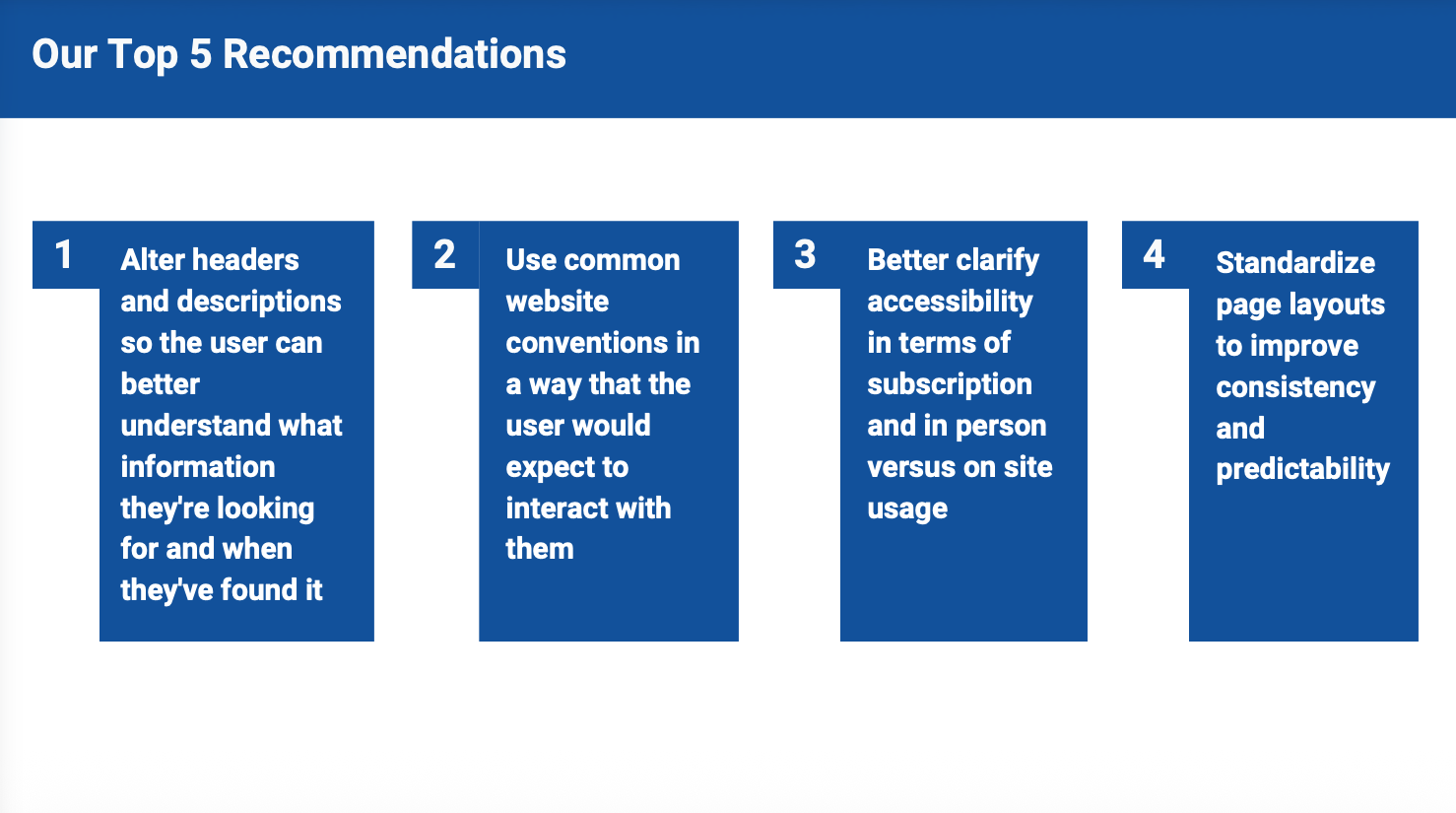
- Participants were thrown off by aesthetic related issues such as inconsistent page designs across the website and text that was too small.
- Participants struggled to find key information in large blocks of text, particularly on the CLE and database pages.
In summary, we sought to better understand how the presentation of content on the Hennepin County Law Library website affects the navigation, understanding, and application of information by users. From our research we were able to discern areas of greatest difficulty for users to understand and interpret, and to assess the specific concerns of the client. It is our belief that the content on the website can at times be overly technical, which affects the interpretation and understanding of that content by users. The structure and organization of this content is its strength, however, as the users were comfortable navigating the website and were able to anticipate locations of information based on known web conventions. These facets combine to make a website that is traversable but occasionally obtuse. While our pool of participants was relatively small and of a narrow demographic, we feel that the results from this testing are adequately indicative of greater issues with recognizing and understanding the content presented to them rather than issues of being able to find it.The intention of hosting specific material for a broad audience is better supported when the material is made accessible to users of all levels of understanding - in the sense of content but also terminology and explanation thereof.